

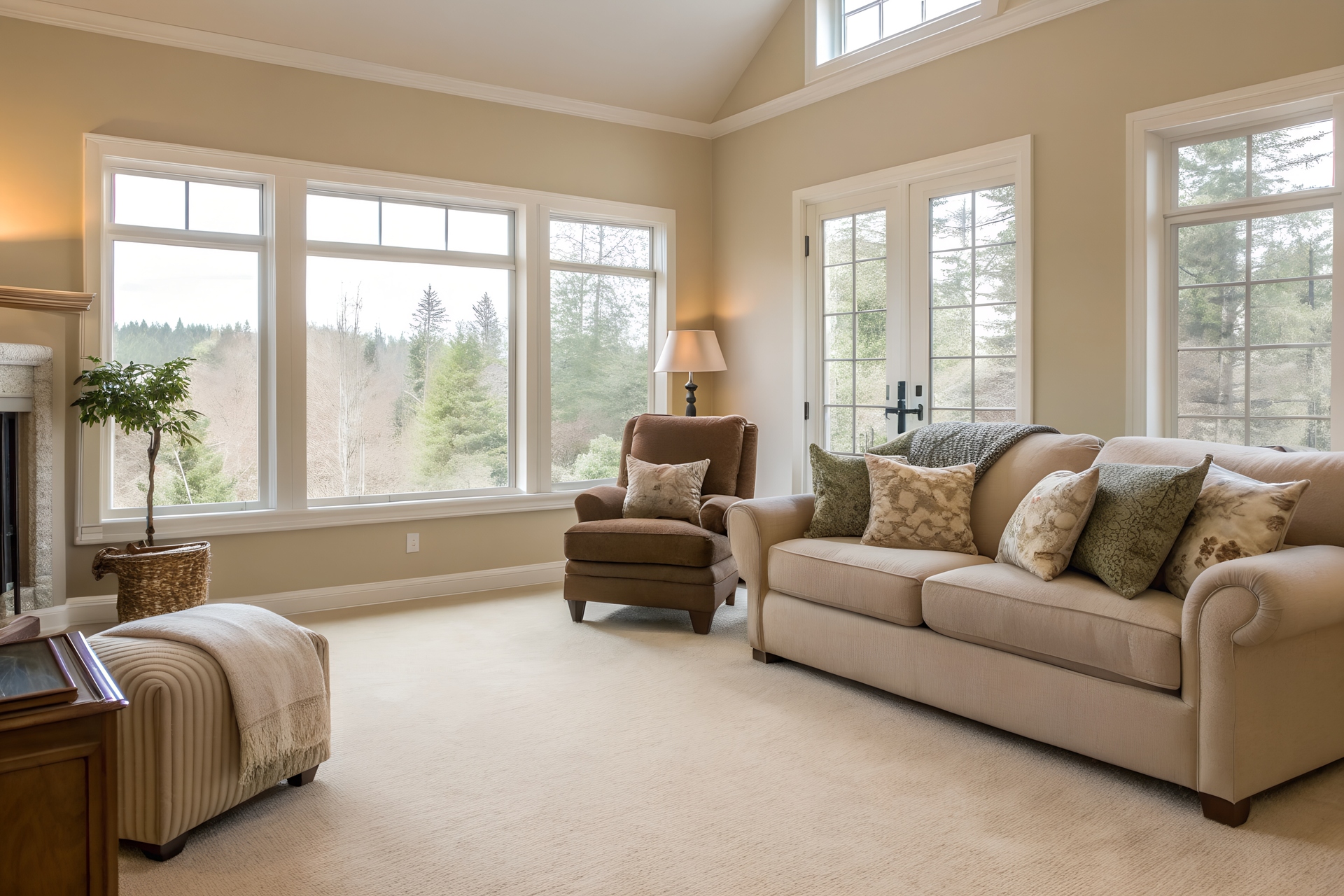
Berber carpet has been around for decades, yet it remains one of the most misunderstood flooring options in residential homes. Some homeowners dismiss it as outdated, others worry it is uncomfortable or difficult to maintain, and many simply assume it only belongs in basements or rental properties. In reality, Berber carpet has evolved significantly in both style and performance. When chosen carefully and installed in the right spaces, it can be one of the most practical and visually appealing carpet options for everyday living.
This guide breaks down the most common Berber carpet myths and explains where this unique looped carpet style actually performs best in real homes.
Where the biggest Berber carpet myths come from
Berber carpet originally gained popularity because of its durability and affordability, but early versions were often limited in color and fiber quality. Those early impressions still shape opinions today, even though modern Berber products are far more refined. Understanding what has changed helps separate outdated assumptions from current reality.
Many of today’s misconceptions fade once homeowners explore modern carpet flooring styles for residential homes that focus on durability, comfort, and updated design aesthetics.
Myth one: Berber carpet is rough and uncomfortable
One of the most common complaints is that Berber feels scratchy underfoot. This belief usually comes from experiences with older wool Berber or low-quality olefin fibers. Today’s Berber carpets are available in soft nylon blends and upgraded synthetic fibers that feel smooth and comfortable while maintaining their looped strength.
The comfort level depends heavily on fiber type, loop height, and padding selection. When paired with the right cushion, modern Berber can feel just as comfortable as many cut-pile carpets.
Myth two: loops always snag and pull
Another fear is that Berber loops will constantly snag, especially in homes with pets. While it is true that sharp claws can damage looped fibers, not all Berber styles are equally vulnerable. Tighter, lower-profile loops are far more resistant to pulls than loose, chunky designs.
For households with pets, selecting a dense, low-loop Berber and keeping nails trimmed makes a significant difference. In many cases, Berber actually hides minor wear better than plush carpet because footprints and shading are less visible.
Myth three: Berber carpet looks dated
Many homeowners associate Berber with speckled beige patterns from the 1990s. While those styles still exist, modern Berber designs now include subtle textures, natural earth tones, and clean solid colors that fit beautifully into contemporary interiors.
Today’s options work well in minimalist homes, transitional spaces, and even modern farmhouse designs. The key is choosing a color and pattern that complements the surrounding finishes rather than relying on outdated assumptions.
Where Berber carpet truly performs best in residential homes
Berber is not a one-size-fits-all solution, but in the right areas it excels.
Family rooms built for daily use
Family rooms see constant foot traffic, furniture movement, and daily activity. Berber’s looped construction resists crushing and matting, helping it maintain a consistent appearance over time. For active households, this makes it a smart alternative to plush carpets that can show wear quickly.
Homeowners often find Berber performs best when selected from proven residential carpet options designed for high-traffic spaces and matched with the right padding and installation approach.
Finished basements and lower levels
Basements benefit greatly from Berber carpet. Its dense structure handles frequent use while offering warmth and sound absorption that hard surfaces cannot provide. Its ability to hide minor debris and wear makes it well-suited for casual lower-level living spaces.
Home offices and workspaces
Home offices often involve rolling chairs, desk movement, and frequent foot traffic in small areas. Berber’s firm surface provides stability for office furniture while maintaining a clean, professional look. Choosing a low-profile loop helps reduce wear from chair movement while still offering comfort during long workdays.
Hallways and connecting spaces
High-traffic hallways benefit from Berber’s resistance to matting. Unlike plush carpets that quickly show traffic lanes, Berber maintains a more uniform appearance, making it a practical option for connecting spaces throughout the home.
Where Berber carpet may not be the best fit
While Berber offers many advantages, it is not ideal for every room. Formal living rooms that see minimal use may benefit more from softer, decorative carpet styles. Bedrooms designed for maximum softness underfoot may also feel more comfortable with cut-pile options.
Installation quality matters more than most realize
Even the best Berber carpet can underperform if installed incorrectly. Seam placement, proper stretching, and high-quality padding all play a role in long-term performance. Loop carpets demand precision during installation to prevent visible seams and uneven tension.
Schedule an in-home carpet consultation today!
For homes in Kaysville and surrounding areas, we offer shop-at-home consultations to help select Berber carpet styles that match how a home is actually used. To schedule an in-home visit or ask questions, reach out through the contact us page.


