

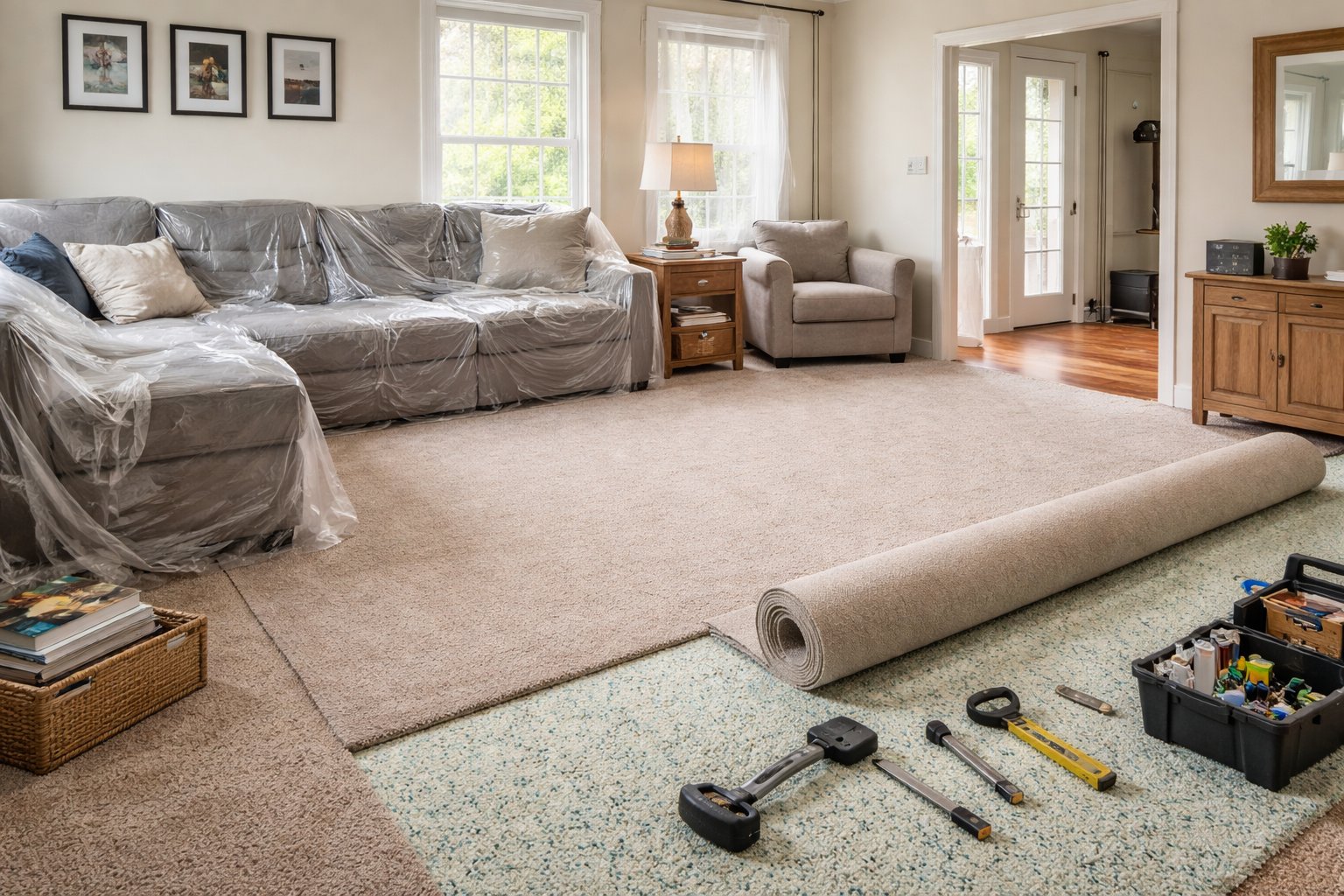
Carpet has a way of making a space feel finished. It softens sound, adds warmth underfoot, and creates comfort that hard surfaces simply can’t replicate. Yet despite how common carpet is in homes, the way it gets installed is often misunderstood. Many homeowners assume carpet installation is a one-size-fits-all process, when in reality the method used can dramatically affect how the carpet looks, feels, and performs over time.
Among the available techniques, stretch-in installation continues to stand out as a proven standard. Even as new materials and installation systems enter the market, stretch-in remains relevant for good reason.
Understanding the main carpet installation methods
Before exploring why stretch-in still matters, it helps to understand the primary methods used today. Each serves a purpose, but not all are interchangeable.
Stretch-in installation explained simply
Stretch-in installation is the most traditional method and still the most widely used in residential homes. Carpet is installed over a cushion and secured around the perimeter using tack strips. Power stretchers are used to pull the carpet tight, eliminating wrinkles and ensuring a smooth, uniform surface.
This method allows the carpet to float slightly over the pad, which improves comfort and helps the carpet respond naturally to foot traffic and seasonal changes.
Glue-down carpet installation and where it fits
Glue-down installation involves adhering the carpet directly to the subfloor using adhesive. This method is commonly used in commercial settings, basements, or areas where rolling traffic is expected.
While glue-down carpet can feel firm and stable, it lacks the cushioning and flexibility that most homeowners prefer in living spaces and bedrooms.
Double glue-down as a hybrid approach
Double glue-down combines elements of both systems. A cushion is glued to the subfloor first, and the carpet is then glued to the cushion. This method is often used in large commercial environments that need added comfort without sacrificing stability.
For residential use, it’s less common and typically unnecessary unless specific conditions call for it.
Why stretch-in installation still matters today
Despite advances in adhesives and backing technologies, stretch-in remains the preferred method for most homes. Its advantages go beyond tradition.
Long-term appearance and performance
Carpet installed using stretch-in methods maintains its shape better over time. Because the carpet is properly tensioned, it resists buckling, rippling, and loose edges that can develop with other installation styles.
If repairs or adjustments are ever needed, stretch-in carpet can be re-stretched without removing or damaging the entire floor.
Comfort underfoot that homeowners notice immediately
Stretch-in installation allows for a full cushion beneath the carpet, which significantly improves comfort. The pad absorbs impact, reduces fatigue, and enhances insulation, making rooms quieter and warmer.
This is especially noticeable in bedrooms, family rooms, and living areas where comfort matters most.
Better airflow and moisture tolerance
Because stretch-in carpet is not fully sealed to the subfloor, it allows for slight airflow beneath the surface. This can help with moisture management in certain environments, reducing the risk of trapped humidity compared to glue-down installations.
Compatibility with modern carpet styles
Modern carpets come in a wide range of fibers, backings, and constructions. Stretch-in installation works well with today’s popular styles, from plush textures to durable loop constructions commonly used in residential settings. Exploring different carpet flooring options becomes easier when the installation method supports flexibility and long-term performance.
Common misconceptions about stretch-in carpet
Some homeowners assume stretch-in is outdated or less durable, but that perception couldn’t be further from reality.
“Glue-down is more secure” isn’t always true
Properly stretched carpet is extremely secure when installed correctly. The key lies in using professional tools like power stretchers rather than knee kickers alone. When done right, stretch-in carpet holds its tension for years.
Stretch-in doesn’t mean limited design choices
Another misconception is that stretch-in limits carpet styles. In fact, most residential carpets are designed with stretch-in installation in mind, making it the most versatile choice for homes.
Installation quality matters more than method alone
Even the best installation method can fail if workmanship falls short. Seam placement, proper stretching, and subfloor preparation all influence the final result. Professional flooring installation services ensure the chosen method performs as intended, regardless of carpet type.
Choosing the right installation method for the space
The ideal installation method depends on how a space is used. Bedrooms, stairs, and living areas typically benefit most from stretch-in installation, while certain basements or commercial-style rooms may be better suited to glue-down approaches.
Understanding the differences helps homeowners make informed decisions that support both comfort and longevity.
When stretch-in makes the most sense
Stretch-in installation remains the best option for homeowners seeking a balance of comfort, durability, and flexibility. It adapts well to everyday living, supports carpet longevity, and allows for future adjustments if needed.
Talk with our flooring experts about carpet installation
Our flooring experts at Generation Floors bring decades of hands-on experience to every project, helping homeowners choose installation methods that truly fit the space. To schedule a consultation or get started, reach out through our Contact Us page.


