

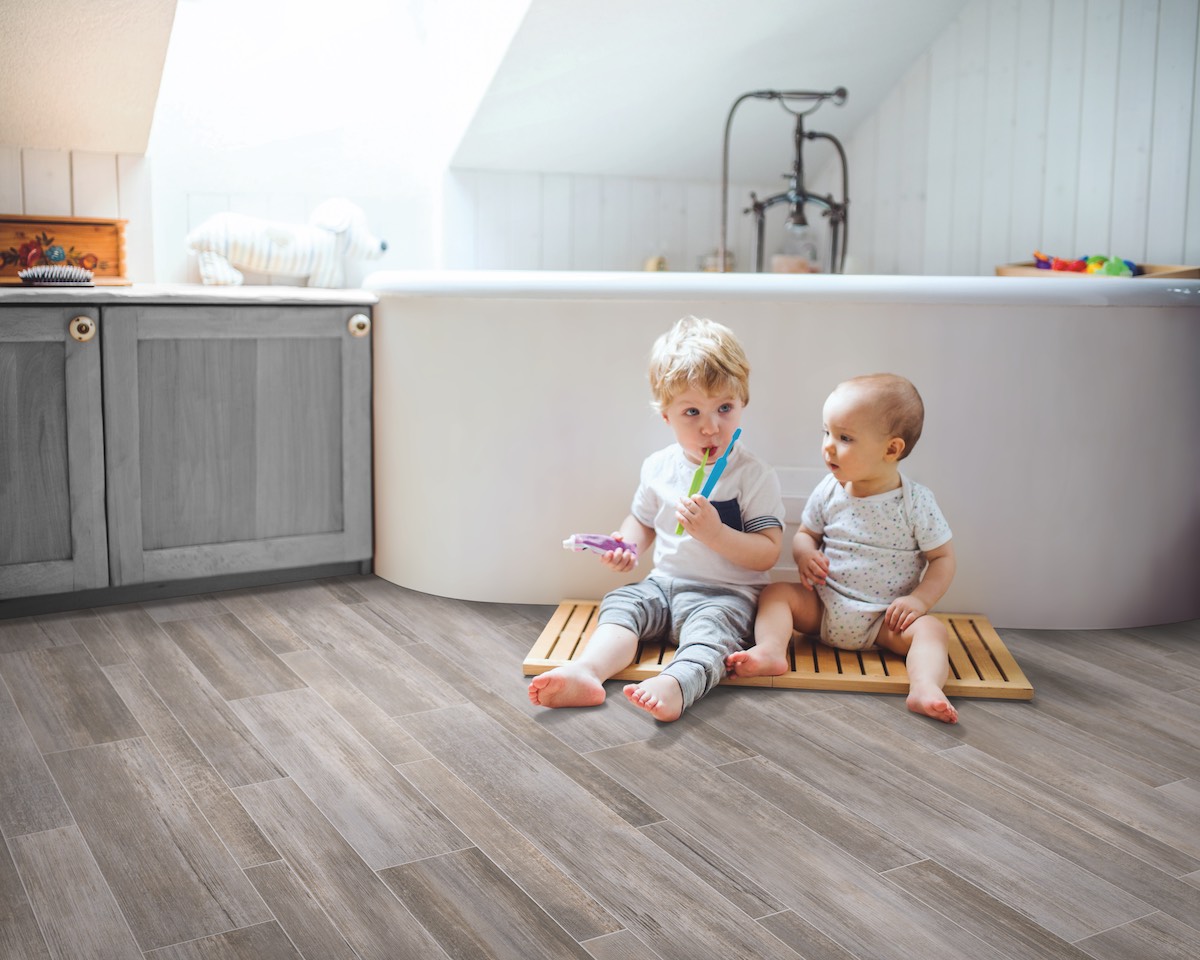
Luxury vinyl plank flooring has become one of the most asked-about products in our showroom, and for good reason. It looks incredible, handles real life, and comes in styles that range from rustic oak to refined stone. One detail that often catches homeowners by surprise during the selection process is the small foam or cork pad fused to the back of certain planks, known as attached underlayment.
We at Generation Floors have spent decades helping families across Kaysville, Layton, Farmington, Syracuse, Centerville, and Clearfield, UT, weigh these little details that make a big difference. If you are exploring luxury vinyl plank options, understanding what attached underlayment does, and where it falls short, will help you choose with confidence.
What attached underlayment actually does
Attached underlayment is a thin layer of cork, foam, or rubber bonded directly to the bottom of the plank. It plays the role of a built-in cushion, working as a sound dampener, moisture buffer, and comfort layer all in one. The idea is simple: skip the separate roll of underlayment and let the plank handle that job on its own.
For many homeowners, this all-in-one approach feels appealing. It keeps the installation tidy and shortens the project timeline. Yet the convenience comes with trade-offs worth knowing before you commit.
The upside of built-in cushioning
The biggest perk is comfort underfoot. Attached padding adds a softer, warmer feel that makes a noticeable difference in bedrooms, living rooms, and home offices where you spend hours standing or playing on the floor. It also softens the hollow click that bare LVP can produce on hard subfloors.
Sound absorption is another quiet win. Multi-level homes especially benefit, since the cushion reduces footstep noise traveling between floors. If you have kids upstairs or a work-from-home space below, that small layer can change the feel of the whole house.
Faster, cleaner installs
Skipping a separate underlayment roll speeds up the process meaningfully. Our installers can move room to room without the extra cutting, trimming, and seam taping that loose underlayment requires. For LVP being installed during a kitchen or bath remodel, that efficiency can save a full day on the schedule.
Fewer materials also mean fewer chances of installation errors. The end result tends to be cleaner and more consistent across the floor.
Where the trade-offs show up
Built-in pads are not perfect, and pretending otherwise sets homeowners up for disappointment. The same cushion that adds comfort can also create issues in certain rooms or over certain subfloors.
Subfloor flatness matters even more
Attached underlayment is thin and consistent, so it does not forgive uneven subfloors the way a thicker stand-alone pad can. Bumps, dips, and ridges still telegraph up through the plank. In older homes around our service area, where subfloors have settled over decades, this can mean more prep work before installation rather than less.
A floor with a built-in pad over an uneven subfloor can also develop a slight flex underfoot. Over time, that flex can stress the click joints and lead to gaps or squeaks. Compared to traditional hardwood or laminate options we discussed in this article, LVP with attached padding is more sensitive to what lies beneath.
Moisture and warranty considerations
Many LVP warranties have specific rules about pairing the product with additional underlayment. Adding a separate vapor barrier or pad under a plank that already has one can actually void the warranty in some cases. That means the cushion you intended as a bonus could cost you coverage.
In basements or over concrete slabs, you may still need a true vapor barrier. Some attached pads claim moisture resistance, but they are not always rated as a full vapor barrier. Talking through your specific subfloor before purchase is the best way to avoid surprises.
Talk it through with someone who installs it daily
Picking the right LVP setup is easier when you can see samples, feel the cushion, and ask honest questions. Browse styles from the comfort of your own home and let our team walk you through subfloor prep, warranty fine print, and which planks will work best for your space.


