

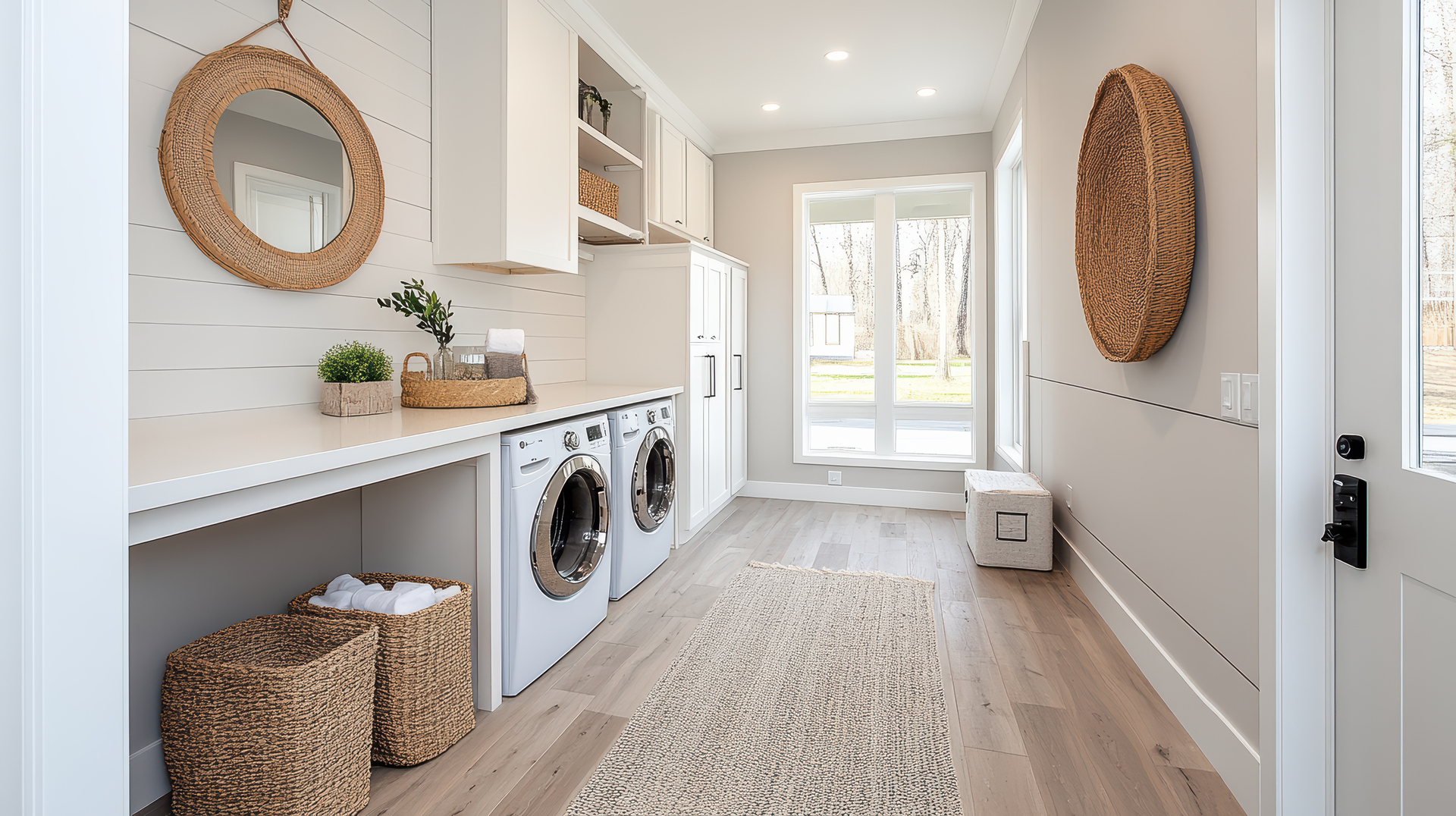
Moisture and laminate flooring have a complicated relationship. Laminate has always been a popular choice for homeowners who want wood-look flooring without the hardwood price tag, but understanding the difference between water-resistant and waterproof laminate makes all the difference when planning where to install it. Modern innovations have improved how these floors handle spills and moisture, but not every laminate product offers the same level of protection.
What “water-resistant” really means
Water-resistant laminate is designed to handle everyday spillages before liquid reaches the inner core. This usually means that if you clean up water quickly — for example, after a splash at the sink or a spilled drink — the flooring resists absorbing moisture for a short time. Surface sealants and tighter locking systems help reduce moisture penetration.
While water-resistant products are great for living rooms, bedrooms, and other generally dry spaces, they’re not intended for standing water or prolonged exposure. If moisture sits too long, it can still seep through seams and affect the fiberboard core.
The idea behind “waterproof” laminate
The term “waterproof laminate” is used to describe products engineered to withstand moisture better than traditional laminate. These products still rely on laminate construction — meaning they have a core made from high-density fiberboard — but enhanced surface protection and edge sealing help keep water from reaching that core in the first place.
While no laminate is truly 100 % waterproof in all conditions (because fiberboard can swell if exposed underneath), products labeled as waterproof typically give you more time before moisture is even a concern, making them more suitable for kitchens, laundry rooms, and entryways.
What the internal construction tells you
Understanding how laminate is built helps explain why moisture performance varies:
Wear layer: A protective coating that resists scratches and minor spills
Decorative layer: Gives laminate its wood-like appearance
Core layer: High-density fiberboard that offers stability but can swell if water reaches it
Backing layer: Helps balance moisture but doesn’t block it entirely
Because the core remains wood-based, laminate differs from fully synthetic floors like vinyl that are waterproof throughout.
Choosing between water-resistant and waterproof
For most homes, water-resistant laminate works well in spaces where moisture is minimal or only occasional spills occur. It gives you a great balance between durability, style, and performance for everyday living spaces. If it helps to compare options side by side, browsing our online showroom for Luxury Vinyl Plank (LVP) and Laminate can make the differences easier to visualize before narrowing down a final pick.
If you’re considering laminate where messes or damp conditions are more likely — such as near exterior doors, family rooms with pets, or areas where water might sit for longer — waterproof laminate provides extra reassurance. These products help keep water on the surface until it’s cleaned up, significantly reducing the risk of swelling.
Appearance and performance go hand in hand
Both water-resistant and waterproof laminate offer beautiful wood visuals, textured finishes, and a range of styles to match your home’s aesthetic. Laminate is known for its scratch resistance compared with some other hard surface options, and its floating installation method makes it a flexible choice for many rooms.
Proper underlayment and professional installation also play a role in how well the flooring performs. A good pad and precise fitting can reduce the chance of moisture working its way underneath and affecting the planks over time.
Room placement and practical expectations
Water-resistant laminate is ideal for:
Living areas
Bedrooms
Hallways
(where spills are minor and cleaned quickly)
Waterproof laminate is better suited for:
Entryways and mudrooms
Kitchens with frequent spills
Laundry areas
(where moisture exposure happens more often)
Even with waterproof laminate, no flooring should be installed where water pools frequently for long periods. Good moisture management — like wiping up spills and using area rugs — helps protect the floor’s longevity.
Final thoughts before installing
Both water-resistant and waterproof laminate can be excellent flooring choices when matched to the room’s needs and your lifestyle. Understanding the differences and planning accordingly ensures you enjoy beautiful, long-lasting floors that balance aesthetics and performance. For a quick feel of the brand behind the work (and what craftsmanship standards look like from day one), the story on meet the family shows the hands-on experience that goes into every recommendation and install.
At Generation Floors, we help homeowners in Kaysville, Layton, Farmington, Syracuse, Centerville, and Clearfield, UT choose the right flooring for every room — whether that’s water-resistant laminate for living spaces or waterproof laminate where moisture matters most. Reach out through our contact us page to schedule a consultation with our flooring experts.


